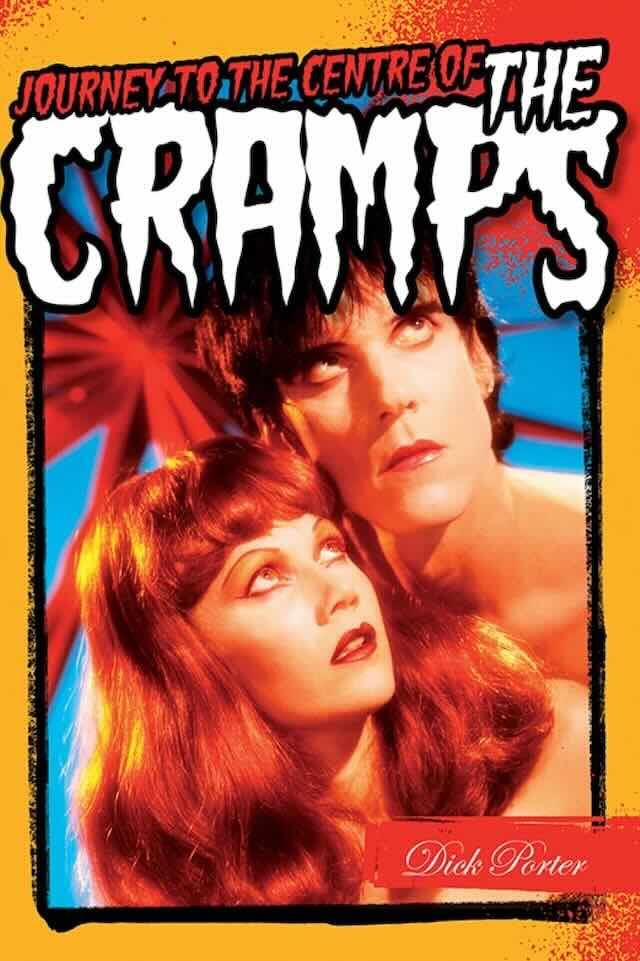
Journey to the Center of the Cramps is a revised version of Dick Porter’s previous band biography penned in 2007, just two years before Lux’s untimely and unexpected death stopped the band in its tracks. If any band’s time was cut too short, it was the Cramps, fully missing an era where punk bands were worshipped as much as the popular rock bands they spent years trying to be different from.
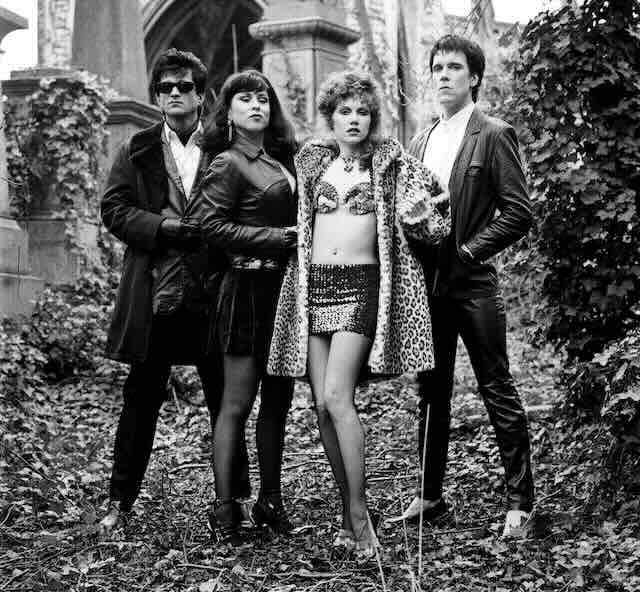
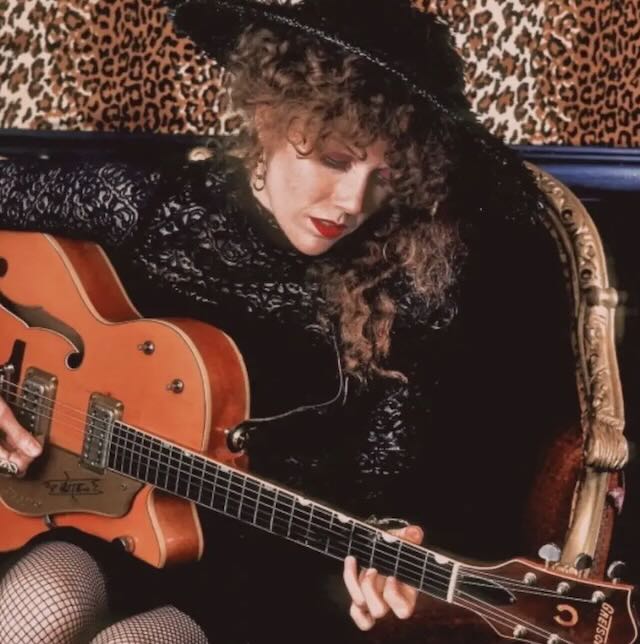
Fuelled by early rock ‘n’ roll, 1950’s EC Horror comics, drive-in B movies, and local DJs such as Pete “Mad Daddy Myers” and Shock Theater host-turned-DJ Ernie Anderson (aka Ghoulardi), Erick Purkhiser (Lux Interior) met Kristy Wallace (Poison Ivy Rorschach) at Sacramento State while grooving along with the times, dropping acid and not taking educational goals too seriously. He attended the university to defer the draft. She was hitchhiking the day he first saw her.
First time I saw her she was walking down the street, hitchhiking, and she was wearing a halter top and short shorts with a big hole in the ass with red panties showing through”.
The two would scour record stores and thrift shops, eventually amassing a huge collection of 50’s and 60’s records, and owned pretty much all of the Sun Studios catalogue. They were big fans of Elvis Presley as well, and were thrilled to meet Sam Phillips in person when they got a few tracks recorded in the iconic Memphis studio as well as get to hear some of the stories of that special era.
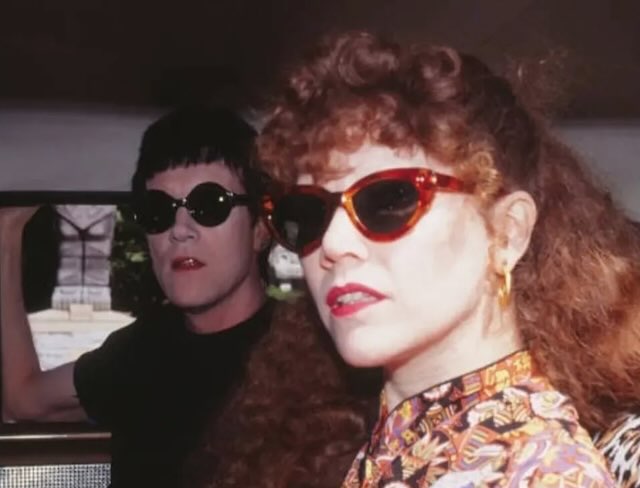
After university, they left Lux’s hometown of Akron, Ohio and made their way to the Big Apple, eventually carving a deep groove into the 1970’s New York City punk rock scene via gigs at CBGB (and later at Max’s Kansas City).
For Lux and Ivy, the directness and pure rock ’n’ roll spirit of the bands making waves at CBGB bore evident similarities to the sense of wild abandon personified by the rawness of rockabilly.
The Ramones were just like this blast of light onstage. The energy influenced us. — Poison Ivy
Unable to be classified, The Cramps were always unique and kept to their rock ’n’ roll roots, citing both rockabilly and doo-wop bands of the 50’s and 60’s as influences, including Link Wray, the Randells, and the Rivingtons. In addition to being a tight romantic pair, the two possessed a deep and passionate love for what rock ’n’ roll (in its purest sense) stood for.
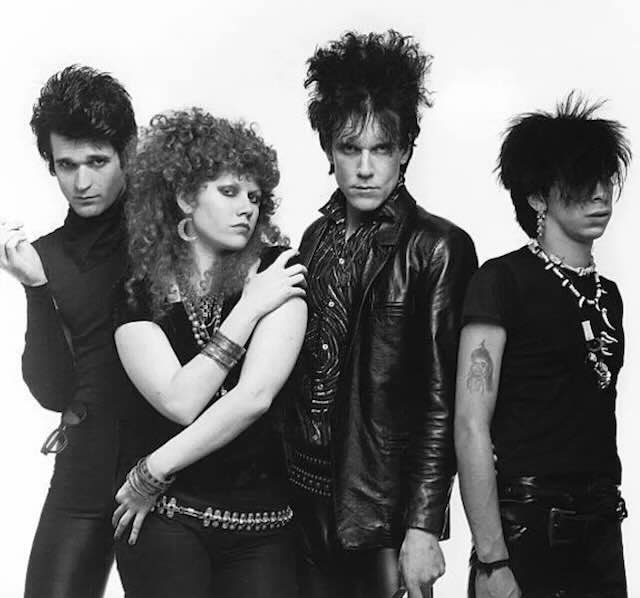
Though the Cramps never felt that the genre suited their musical style, and spent a good amount of time arguing the title, psychobilly was firmly coined to describe their sound.
As far as the band working many covers into their albums and live sets, Ivy weighs in: “If we feel like a song is expressing us even though someone else wrote it, and in addition to that if we feel like we can do an equally exciting version, then we’ll cover it.”
I think it would be great if we were considered the band that made people pay attention to the past again. It’s the music of real crazy people, and it’s different from popular music. — Lux Interior
The chapters are filled with music history, bands that Lux and Ivy connected with both sonically and personally, as well as their challenging rise to low-key fame in the US. It wasn’t until IRS Records’ Miles Copeland got them out onto the UK tour circuit (supporting The Police) that they began to gain a loyal following in Britain, and later, in France.
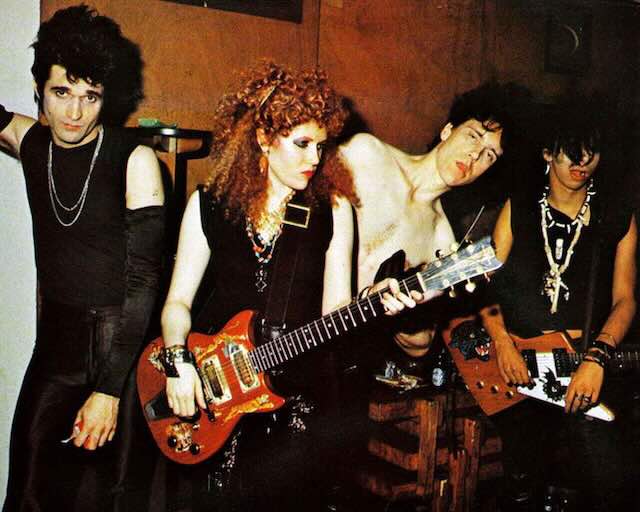
Further proof of this was provided by the UK press, including NME (New Musical Express) heavyweight contributor Charles Shaar Murray:
Nobody does it better, nobody does it worse, nobody does it period. There is nothing like this music anywhere, unless it’s on other Cramps records.”
As Lux and Ivy were The Cramps only two stable members, their words retain the bulk of interviews culled from numerous sources (provided at the back of the book, together with an extensive discography for the fans). Dick Porter’s organization of the band’s history is excellent, and the chapters flow nicely in tune with the Cramps’ career timeline.

[Lux and Ivy; photo by Steve Jennings]
Through numerous personnel changes within the band to their two-year legal battle with IRS Records (which resulted in an abundant supply of bootleg recordings while the band suffered two years without a release), and all the drugs and fury in between (they even put on a free show for patients at California’s Napa State mental institution!), Journey to the Center of the Cramps compiles it neatly together within its 256 pages.
Though I finally got to see them live at San Francisco’s Warfield in March 1992, I know that non fans would also find this book worth a read.
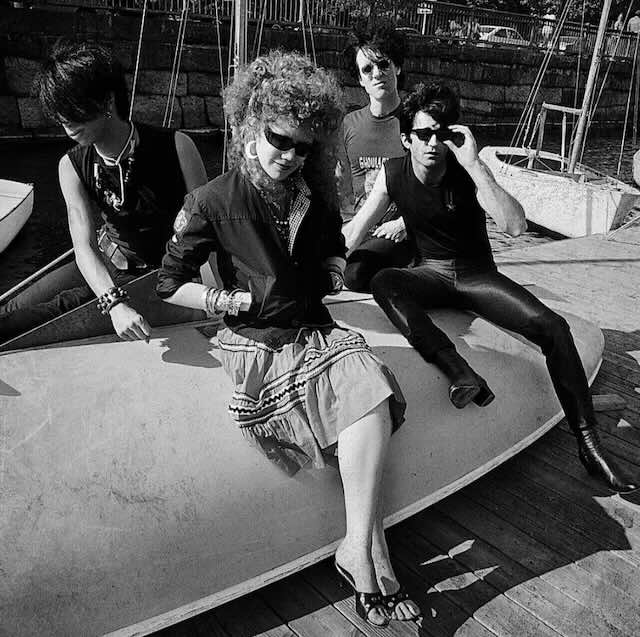
In addition to headlining countless shows over the years, The Cramps have opened for The Police, Buzzcocks, The Fall, The Ramones, Blondie, Echo and the Bunnymen and The Clash, and were included in Urgh! A Music War, Miles Copeland’s definitive concert film taken from live performances by Wall of Voodoo, X, UB40, Dead Kennedys, XTC, Surf Punks, OMD, Devo, Gary Numan, Oingo Boingo, the Go-Go’s, Magazine, and many other talented musicians.
The Cramps have recently gained a new generation of fans through Tim Burton’s Netflix masterpiece, Wednesday, as the band’s take on 1962’s Goo Goo Muck, a Ronnie Cook and the Gaylads original, was featured in Season 1.
This newer edition includes never before seen/rare photographs. Author Dick Porter has also written books about Blondie, The Ramones, The White Stripes, The New York Dolls, and the Glam movement.
Journey to the Center of the Cramps is published by Omnibus Press; UK £12.99, USD $22.00. Note that these images were taken from the band’s Instagram account as I was not able to get book images for our review.
You Might Also Like
 Now You’re One of Us Dives Into Peach-Poppy World of McDonald Brothers
 Autonomy – Portrait of a Buzzcock Delivers a Deeply Personal Look at Manchester’s Premier Punk Rockers
 Rebel Girl: My Life as a Feminist Punk is Kathleen Hanna’s Raw, Survivalist Tale
 Dive into the World of Pete Shelley and Buzzcocks with Sixteen Again
 Sonic Life Vividly Captures 1970’s New York Art and Punk Scene